
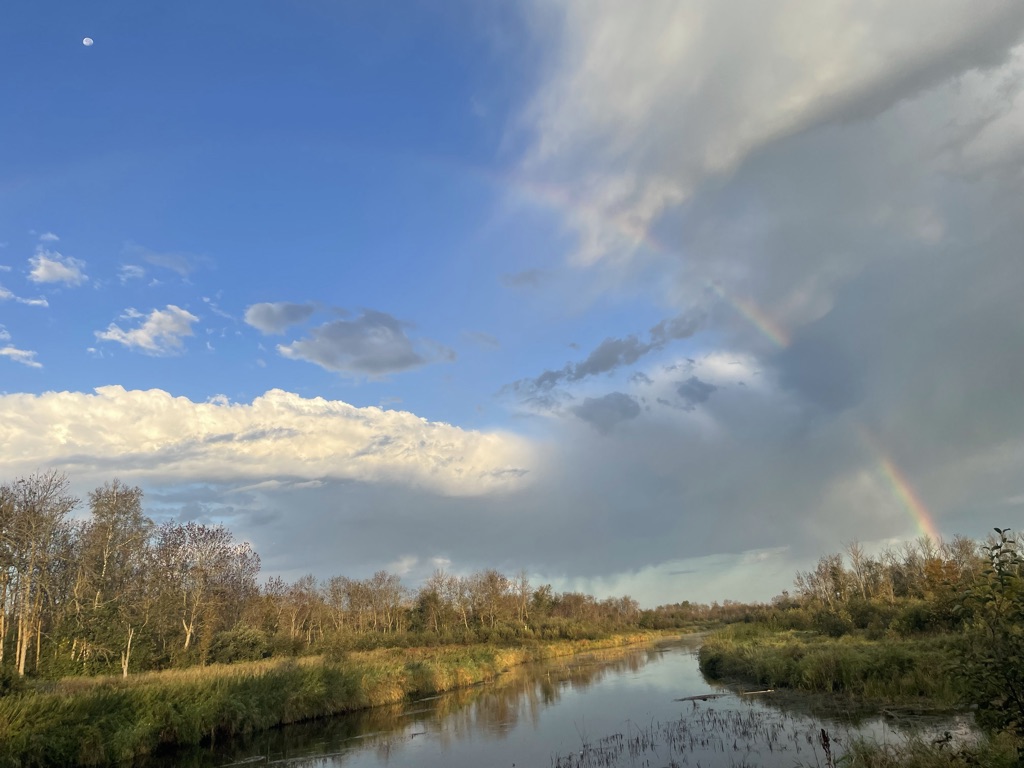
In preparation for an upcoming 60-day public comment period the Minnesota Wildlife Federation has drafted the following letter to be delivered to the Minnesota Board of Water and Soil Resources relating to updates being made to Minnesota Wetland Conservation Act.
Please add your support by signing the letter at the link below.
John Jaschke
Executive Director
Minnesota Board of Water and Soil Resources
520 Lafayette Road North
St. Paul, MN 55155
RE: Public access, fish and wildlife, and Minnesota’s Wetland Conservation Act rulemaking
Dear Mr. Jaschke:
On behalf of the undersigned hunting, fishing, wildlife, foraging, and outdoor organizations, we urge the Minnesota Board of Water and Soil Resources (BWSR) to use the current rulemaking under the Wetland Conservation Act (WCA) to protect the wetlands that provide Minnesotans with access to clean water, healthy fish and wildlife, and first-class outdoor recreation opportunities.
Access is our north star. It means having healthy waters and habitat close to home: a marsh that holds ducks, a shallow lake that supports fish and wild rice, or a connected stream that carries clean water. Many Minnesotans know a place where they once hunted, fished, foraged, paddled, or watched wildlife but cannot anymore because the water or habitat was lost. When development destroys a wetland and the replacement occurs miles away, the people who used that place do not get that opportunity back.
Federal law now leaves many wetlands without Clean Water Act protection unless they have a continuous surface connection to a protected river, lake, or stream. Those wetlands can still store and filter water and support fish and wildlife, placing more responsibility on Minnesota’s WCA. Because the state rules have not been comprehensively updated since 2009, BWSR should use this rulemaking to protect the wetland functions that matter to fish, wildlife, clean water, and public access.
- Replace wetland functions, not just acres
Different wetlands support different wildlife. Prairie potholes provide breeding and feeding habitat for ducks; forested wetlands support white-tailed deer, black bear, and ruffed grouse. Replacing one with the other can preserve acreage while losing habitat. Before approving impacts, WCA rules should require a functional assessment of wildlife habitat, water storage and quality, and connections to nearby waters. Replacement should address those losses, match the wetland type, and remain in the same minor watershed—or as near as practicable.
- Protect shallow lakes, seasonal waters, and wild rice
A wetland does not need to hold water year-round to affect the lake, stream, or marsh below it. Seasonal wetlands and intermittent streams store or carry water, support spawning and nursery habitat, and affect downstream water quality and water levels. WCA reviews of replacement plans, no-loss determinations, and exemptions should document surface inlets and outlets, drainage paths, intermittent watercourses, and seasonal connections. Without that review, a series of small alterations can change water levels and degrade habitat downstream.
That risk is especially serious for shallow lakes and wild rice waters. Wild rice needs clean, shallow water and relatively stable water levels. It provides food and cover for waterfowl, habitat for fish and other aquatic life, and holds cultural and spiritual significance for Minnesota’s Indigenous Nations. Before approving an impact, WCA reviews should identify wild rice, shallow-water habitat, and vulnerable native plant communities. The rules should require avoidance where those resources cannot be replaced and reject credits that provide a different type of wetland or ecological function.
- Keep intact peatlands working for clean water, wildlife, and access
Minnesota’s peatlands support wildlife, store and filter water, and provide public land and water opportunities across the north. Once drained or cut off from their natural hydrology, those functions cannot be recreated on a development project’s schedule. Hydrologic disruption can also mobilize mercury and methylmercury, threatening fish and fish-eating wildlife. The rules should recognize intact peatlands as climate-critical, wildlife-rich wetlands; account for hydrology, habitat, and stored carbon; limit exemptions that damage peatland hydrology; and require full mitigation for unavoidable impacts.
MWF’s members and our cosigners see the results of wetland policy in the field: in the health of fish and wildlife, the quality of our water, and whether Minnesotans can continue to use the public lands and waters that sustain our outdoor traditions. Comprehensive updates to the WCA rules are rare. BWSR now has the opportunity and the responsibility to strengthen the rules so Minnesota’s wetlands can continue to support those resources and opportunities. We urge the Board to make full use of this opportunity.
Sincerely,
Brad Gausman
Executive Director
Minnesota Wildlife Federation
Additional signers: Your name here!