
Wetland Rules are Changing. Hunters should speak up
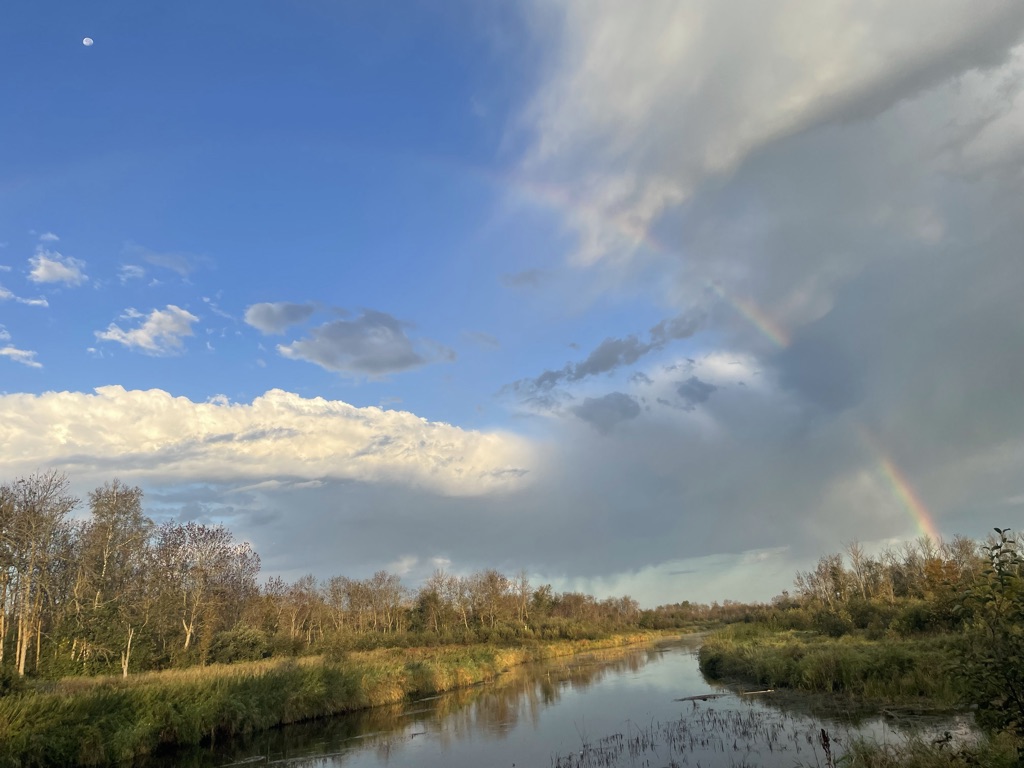
Watching the world wake up in a wetland can make for an unforgettable experience. The world suddenly comes alive with the whistling of duck wings, the sight of a beaver or muskrat plying the water, the swirl of a fish catching its morning meal, and the cacophony of preset alarms on your friend’s cell phone alarm letting you know to put down the doughnut, shooting hours have arrived. Wetlands vary in shape, size, and type but they all play an important role in providing clean water and habitat to the benefit of both wildlife and people.
Wetlands today face an ever-changing and complex reality. Land use changes, development and other practices that alter water resources upon which wetlands depend put pressure on the landscape, oftentimes to the detriment of wetlands and water quality. In an effort to better manage and prevent degradation of wetlands under the purview of the state, the Minnesota Legislature passed the Wetlands Conservation Act (WCA) in 1991. The act sought to minimize impacts to wetlands from human activity and identified a goal of realizing no net loss of wetland quantity, quality, or biological diversity statewide. The Board of Water and Soil Resources (BWSR) is responsible for administering the Wetland Conservation Act and works with local units of government on implementation efforts.
While the Wetland Conservation Act details a goal of realizing no let loss of wetlands statewide, for hunters and anglers, the central question is not simply how many wetland acres remain, but whether those acres still perform the same functions in the same watershed. A shallow marsh used by spawning northern pike, a seasonal wetland that provides spring food for ducks, or a groundwater-connected wetland that helps sustain a stream cannot necessarily be replaced by a generic wetland credit miles away. Similarly, when a local wetland is developed, more than water and wildlife is affected. Local duck hunters may lose access to a favored duck blind spot that doesn’t reappear elsewhere because a wetland credit is purchased.
This fall all Minnesotans will have the opportunity to help support wetland conservation through a public rulemaking process to update the rules implementing Minnesota’s Wetland Conservation Act. Opportunities to really “get under the hood” of the WCA don’t happen all that often. While the law is updated from time to time in response to statutory changes, the last major revision occurred in 2009. Now is the time to lend support and propose changes to address new realities, including a changing climate, historic wetland loss, ongoing degradation and conversion, the loss of wetland functions that statewide acreage totals can conceal, and the recent federal Sackett v. EPA decision – shrinking the footprint of the federal Clean Water Act – that makes clear and effective state protections even more consequential.
The timing and structure of the rulemaking is admittedly a bit complex so hang with me here. At this time BWSR has published on its website a Revisor certified draft rule and a draft Statement of Need and Reasonableness, which provides details on why the proposed rules are needed and sensible. In the coming weeks BWSR will publish a Notice of Intent to Adopt Rules in the State Register relating to the WCA. This action will start a 60-day public comment period. One important thing to remember is that comments submitted before the beginning of the 60-day period will not be included in the official rulemaking record. Timing is important.
In preparation for taking part in the public rulemaking process once the 60-day window opens, the Minnesota Wildlife Federation has written a commentary that urges BWSR to adopt language changes related to some of the state’s most critical wetland concerns. This includes stressing the importance of wetlands for hunters, anglers, foragers, and outdoor recreationists and the habitat, clean water, and public access opportunities they provide; acknowledging the growing importance of the health of our state’s expansive peatlands in preparing for and mitigating the effects of climate change, storing water, and providing resilience during drought and wildfire; and urging the adoption of clearer, more consistent statewide implementation and enforcement.
Soon it will be time to take action. I suggest two ways for you to engage.
- Join our MWF comment letter: Visit www.mnwildlife.org/wca to read in our comment letter and add your name as a signee. We will be watching for the start of the 60-day comment period and will be prepared to submit this commentary before the end of the public participation period.
- Identify the rule provision you want changed, the change you want, and why and submit your own comments during the 60-day window of opportunity. Visit
https://bwsr.state.mn.us/wca-rulemaking to read the draft rule and submit your comments.
Brad Gausman
Executive Director
Minnesota Wildlife Federation
In preparation for an upcoming 60-day public comment period the Minnesota Wildlife Federation has drafted the following letter to be delivered to the Minnesota Board of Water and Soil Resources relating to updates being made to Minnesota Wetland Conservation Act.
Please add your support by signing the letter at the link below.
John Jaschke
Executive Director
Minnesota Board of Water and Soil Resources
520 Lafayette Road North
St. Paul, MN 55155
RE: Public access, fish and wildlife, and Minnesota’s Wetland Conservation Act rulemaking
Dear Mr. Jaschke:
On behalf of the undersigned hunting, fishing, wildlife, foraging, and outdoor organizations, we urge the Minnesota Board of Water and Soil Resources (BWSR) to use the current rulemaking under the Wetland Conservation Act (WCA) to protect the wetlands that provide Minnesotans with access to clean water, healthy fish and wildlife, and first-class outdoor recreation opportunities.
Access is our north star. It means having healthy waters and habitat close to home: a marsh that holds ducks, a shallow lake that supports fish and wild rice, or a connected stream that carries clean water. Many Minnesotans know a place where they once hunted, fished, foraged, paddled, or watched wildlife but cannot anymore because the water or habitat was lost. When development destroys a wetland and the replacement occurs miles away, the people who used that place do not get that opportunity back.
Federal law now leaves many wetlands without Clean Water Act protection unless they have a continuous surface connection to a protected river, lake, or stream. Those wetlands can still store and filter water and support fish and wildlife, placing more responsibility on Minnesota’s WCA. Because the state rules have not been comprehensively updated since 2009, BWSR should use this rulemaking to protect the wetland functions that matter to fish, wildlife, clean water, and public access.
- Replace wetland functions, not just acres
Different wetlands support different wildlife. Prairie potholes provide breeding and feeding habitat for ducks; forested wetlands support white-tailed deer, black bear, and ruffed grouse. Replacing one with the other can preserve acreage while losing habitat. Before approving impacts, WCA rules should require a functional assessment of wildlife habitat, water storage and quality, and connections to nearby waters. Replacement should address those losses, match the wetland type, and remain in the same minor watershed—or as near as practicable.
- Protect shallow lakes, seasonal waters, and wild rice
A wetland does not need to hold water year-round to affect the lake, stream, or marsh below it. Seasonal wetlands and intermittent streams store or carry water, support spawning and nursery habitat, and affect downstream water quality and water levels. WCA reviews of replacement plans, no-loss determinations, and exemptions should document surface inlets and outlets, drainage paths, intermittent watercourses, and seasonal connections. Without that review, a series of small alterations can change water levels and degrade habitat downstream.
That risk is especially serious for shallow lakes and wild rice waters. Wild rice needs clean, shallow water and relatively stable water levels. It provides food and cover for waterfowl, habitat for fish and other aquatic life, and holds cultural and spiritual significance for Minnesota’s Indigenous Nations. Before approving an impact, WCA reviews should identify wild rice, shallow-water habitat, and vulnerable native plant communities. The rules should require avoidance where those resources cannot be replaced and reject credits that provide a different type of wetland or ecological function.
- Keep intact peatlands working for clean water, wildlife, and access
Minnesota’s peatlands support wildlife, store and filter water, and provide public land and water opportunities across the north. Once drained or cut off from their natural hydrology, those functions cannot be recreated on a development project’s schedule. Hydrologic disruption can also mobilize mercury and methylmercury, threatening fish and fish-eating wildlife. The rules should recognize intact peatlands as climate-critical, wildlife-rich wetlands; account for hydrology, habitat, and stored carbon; limit exemptions that damage peatland hydrology; and require full mitigation for unavoidable impacts.
MWF’s members and our cosigners see the results of wetland policy in the field: in the health of fish and wildlife, the quality of our water, and whether Minnesotans can continue to use the public lands and waters that sustain our outdoor traditions. Comprehensive updates to the WCA rules are rare. BWSR now has the opportunity and the responsibility to strengthen the rules so Minnesota’s wetlands can continue to support those resources and opportunities. We urge the Board to make full use of this opportunity.
Sincerely,
Brad Gausman
Executive Director
Minnesota Wildlife Federation
Additional signers: Your name here!